
Nov 20, 2025
At AP Express Logistics, we are proud to have partnered with LG&P Agency on this groundbreaking AI project.
Our team was selected as the trusted logistics provider to ensure seamless building and deliver to retailers nationwide. From developing tailored solutions to coordinating every step of the supply chain, AP Express ensured the project was executed with precision, efficiency, and excellence—delivered on time, every time.
Whether your logistics needs are large or small, AP Express Logistics is your reliable partner in delivering success. Contact us today to learn how we can support your next project.
Feb 28, 2025
Recognition Announcement
We’re excited to announce that AP Express has been named one of Fulfill.com’s Top 50 US 3PL Companies for 2025. This prestigious recognition highlights AP Express’s outstanding contributions to the logistics industry and its commitment to delivering exceptional ecommerce fulfillment solutions nationwide.
Award Significance
Being recognized in Fulfill.com’s Top 50 US 3PL Companies underscores AP Express Logistics’ position as a leader in third-party logistics. Established in 1992 by CEO Jeff Pont, the company began with a single truck and a vision to provide exceptional supply chain solutions. Today, AP Express has expanded to over 2.1 million square feet of warehouse space across Southern California and Las Vegas, Nevada, offering flexible, cost-effective logistics services.
Service Excellence
AP Express Logistics is committed to delivering customized supply chain solutions tailored to meet the unique needs of each client. Their comprehensive services include e-commerce fulfillment, retail distribution, Amazon fulfillment, transportation, value-added services, and reverse logistics. With a fleet of asset-based trucks and global brokerage services, AP Express ensures products are delivered safely and on time. The company’s expertise spans various industries, including apparel, big & bulky items, electronics, housewares, nutraceuticals, and raw materials.
Selection Criteria
Fulfill.com’s annual Top 50 list evaluates 3PL companies based on operational excellence, technological innovation, and a proven track record of success. “AP Express Logistics offers flexible, cost-effective solutions for time-sensitive shipments,” noted Joe Spisak, CEO of Fulfill.com. “Their specialization in expedited and on-demand delivery services, combined with over 30 years of experience, makes them a standout in the 3PL industry.”
AP Express has established itself as a trusted partner for numerous e-commerce and wholesale businesses, providing tailored logistics solutions to meet diverse industry needs. The company’s inclusion in Fulfill.com’s annual Top 50 list highlights its impressive growth trajectory and demonstrated ability to serve a wide range of omnichannel businesses. This recognition reflects AP Express’s commitment to operational excellence, technological innovation, and a proven track record of success.
National Impact
From its headquarters in Irwindale, California, AP Express Logistics operates strategically located facilities in Southern California and Las Vegas, Nevada. This extensive network enables the company to provide fast, reliable fulfillment services to businesses nationwide, strengthening the national omnichannel infrastructure and ensuring seamless supply chain operations for its partners.
About AP Express
Founded in 1992, AP Express Logistics has grown from a single-truck operation into a multimillion-dollar, first-class logistics provider. The company specializes in all aspects of logistics, offering a wide range of services to suit every client’s needs. AP Express’s logistical management teams are experts in transportation and warehousing, providing solutions for ground or air freight, domestic or international shipping, storage, fulfillment, and trade show services. Their commitment to exceptional customer support and worry-free supply chain solutions has earned them multiple industry accolades.
Looking Forward
As AP Express Logistics continues to scale, its mission remains clear—delivering top-tier logistics solutions that empower e-commerce and wholesale businesses to thrive. “Our focus has always been on providing exceptional support, efficient shipping & storage, and accurate, on-time deliveries,” says CEO Jeff Pont. “Being recognized among the top 3PL providers reinforces our commitment to excellence and our drive to push the industry forward.”
Dec 26, 2024
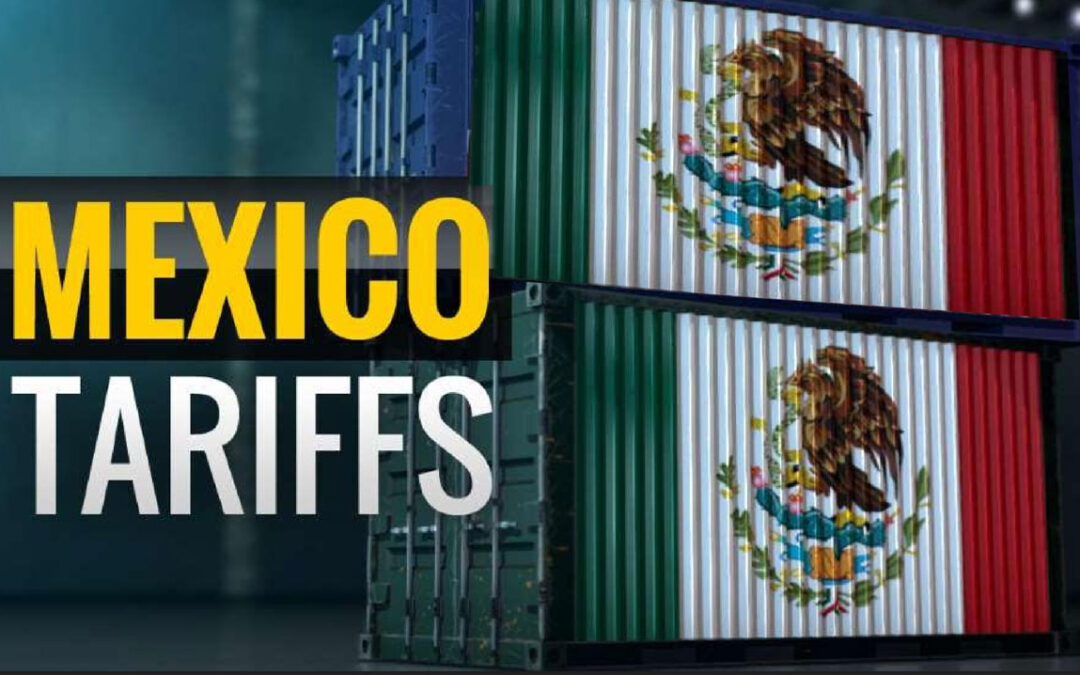
For textile companies importing goods into the U.S., Mexico has long been a critical partner and transit point. However, regulatory shifts that took effect on December 20, 2024, are reshaping the landscape for apparel and textile imports. These changes are causing ripples throughout the industry, leaving many businesses seeking new solutions to maintain profitability and efficiency.
What Are the New Tariff Changes?
As of December 20, 2024, Mexico has implemented tariffs of up to 35% on a wide range of textile and apparel products. This tariff increase applies to goods imported under Mexico’s IMMEX program, which previously allowed duty-free importation of raw materials and export of finished products.
Additionally, textile and apparel products manufactured outside of Mexico but shipped through Mexico into the U.S. now face increased scrutiny and tariffs. The new tariffs are designed to curb transshipment practices and protect Mexico’s domestic textile industry from being undermined by foreign goods passing through Mexico duty-free.
The result? Textile companies that have relied heavily on Mexico as a logistics hub must now reassess their import strategies to remain competitive.
How This Impacts Textile Companies
Textile companies now face:
- Higher Tariffs: The new tariffs of up to 35% raise costs significantly, especially for companies accustomed to lower or duty-free shipments.
- Stricter Enforcement: Goods passing through Mexico for import into the U.S. are now undergoing heightened scrutiny, increasing the likelihood of delays and additional costs.
- Reduced Savings: The inability to bypass tariffs through the IMMEX program means higher duty costs, which can cut into profit margins.
- Logistics Disruptions: Textile companies may experience supply chain slowdowns as they search for alternative routes or shift fulfillment operations closer to U.S. markets.
Solutions for Navigating Mexico’s Tariff Changes
At AP Express Logistics, a California-based 3PL, we understand the complexities these changes introduce. As businesses scramble to adapt, AP Express offers tailored solutions that help textile companies navigate this shifting landscape.
- Direct-to-Consumer Fulfillment from U.S. Warehouses By leveraging AP Express’s 2.1 million sq ft of warehouse space on the West Coast, textile companies can bypass the need for transshipment through Mexico. Our strategically located California facilities provide efficient, low-cost storage and fulfillment directly into U.S. markets.
- Customs Brokerage and Compliance Expertise Our in-house customs experts ensure that your imports comply with all regulations, minimizing the risk of penalties or delays. We stay ahead of policy changes, offering guidance on how to adjust your shipping practices in real time.
- Flexible Warehousing and Inventory Management AP Express offers scalable warehousing solutions, allowing textile companies to store surplus inventory closer to their end customers. This mitigates the need for cross-border transit while keeping goods readily available for rapid order fulfillment.
- Parcel Consolidation and Cost Optimization AP Express can help segment and consolidate shipments, ensuring efficient distribution without unnecessary transit through high-tariff regions. This allows textile companies to maintain profitability even as tariff landscapes shift.
Why Partner with AP Express?
As a California-based 3PL, AP Express is ideally positioned to help textile companies adjust to the evolving import landscape. Our proximity to West Coast ports, deep industry expertise, and commitment to innovative solutions make us a trusted partner in navigating regulatory change. We work closely with textile businesses to develop supply chain strategies that minimize costs, maximize efficiency, and ensure compliance.
If your company is grappling with the new realities of Mexico’s tariff changes, AP Express is ready to help you pivot and thrive in this changing environment. Contact us today to discuss how we can optimize your import strategy and safeguard your supply chain.

Dec 3, 2024
TikTok isn’t just for viral dance trends anymore—it’s become a thriving marketplace for businesses looking to grow their e-commerce revenue. With TikTok Shop, brands can now integrate product discovery and purchase directly into the platform. This seamless blend of content and commerce has opened new opportunities, but it also comes with logistical challenges. That’s where a 3PL like AP Express can step in to help.
What Is TikTok Shop?
TikTok Shop is an e-commerce platform integrated into TikTok that allows sellers to showcase their products in shoppable videos, livestreams, and a dedicated product tab. It’s a game-changer because it combines TikTok’s unmatched audience engagement with a streamlined purchase process.
But selling on TikTok Shop isn’t as simple as posting a product video—it requires precise logistics to meet TikTok’s fulfillment and delivery standards.
Key Logistical Considerations for TikTok Shop:
- Ship Timeline Rules
TikTok Shop requires sellers to ship orders within 2 calendar days of receipt and ensure delivery within 5 calendar days for domestic orders. Failing to meet these timelines can result in penalties, reduced visibility, and dissatisfied customers.
- Managing Inventory in Real-Time
TikTok’s fast-paced nature means inventory levels must be updated frequently. Overselling or stockouts can lead to canceled orders, poor reviews, and harm to your reputation.
- Handling Returns Efficiently
With TikTok Shop’s platform-specific return policies, sellers must have a clear and reliable system for managing returns. Processing them quickly is key to maintaining a good seller score.
- Responding to Viral Demand
TikTok’s unique ability to make a product go viral overnight is both a blessing and a challenge. Sellers need to prepare for sudden spikes in orders and have systems in place to scale fulfillment when demand surges.
Best Practices for TikTok Shop Fulfillment
Whether you’re new to TikTok Shop or looking to optimize your operations, these strategies can help:
- Stay Ahead of Inventory: Use technology to track inventory in real time and anticipate demand surges. Align with partners who can support flexible inventory management to avoid stockouts or delays.
- Build Fast Fulfillment into Your Process: With TikTok’s strict shipping rules, ensure your operations can process, pack, and ship orders quickly. Automating as much of the process as possible can help reduce errors and save time.
- Prepare for Returns: Establish a clear returns policy and ensure your team can process returns efficiently to avoid delays or penalties.
- Plan for Peaks: Whether it’s a planned product launch or a sudden viral moment, have a plan in place for scaling fulfillment operations quickly.
Insights from the Field
Many businesses have seen incredible growth through TikTok Shop, but AP Express has also seen how challenging it can be for some of our customers to keep up with the platform’s requirements. From beauty brands with complex SKUs to tech gadgets with sudden surges in demand, there’s no one-size-fits-all solution. The key is having logistics systems that are flexible enough to adapt to TikTok’s unique demands – and a 3PL that can seamlessly scale with demand.
Navigating TikTok Shop Logistics
TikTok Shop presents a tremendous opportunity for businesses to grow their e-commerce sales, but it’s not without its complexities. The combination of tight shipping deadlines, real-time inventory updates, and the potential for viral spikes in demand means logistics plays a central role in success.
As experts in e-commerce fulfillment, AP Express has worked with brands navigating these challenges and have seen firsthand how the right strategies can turn logistical hurdles into opportunities. While TikTok Shop demands precision, preparation, and agility, it also offers unparalleled access to a highly engaged audience.
Whether you’re preparing for a big TikTok campaign or looking to fine-tune your current operations, investing in your logistics strategy will ensure you’re ready to meet customer expectations and scale with the platform’s potential.
At AP Express Logistics, we’ve seen a large spike in customers whose main selling channel is TikTok and customers starting to sell on TikTok to expand their ecommerce reach.
We’d love to hear from you – reach out to the team at AP Express for any of your TikTok logistical questions or needs. We are here to help.

Nov 18, 2024
With potential Chinese tariffs looming on the horizon, U.S. businesses that rely on imported goods are facing a critical decision: import excess inventory now to avoid future cost increases or stay the course and adapt to tariffs as they arise. This decision carries both opportunities and risks, and it’s essential to weigh the pros and cons carefully to ensure your supply chain remains resilient.
The Context: Rising Uncertainty
The prospect of additional tariffs on Chinese goods is part of ongoing geopolitical and economic tensions. If implemented, these tariffs could significantly increase costs for U.S. businesses that source products or raw materials from China. As companies evaluate their strategies, many are considering importing more inventory now to shield themselves from future price hikes. But is this the right move for your business?
Pros of Importing Excess Inventory Now
-
- Cost Savings
By purchasing and importing goods before tariffs take effect, businesses can lock in current pricing and avoid potential tariff-related cost increases. This approach can provide a buffer against rising expenses, especially for high-margin or high-volume products.
- Price Stability for Customers
Maintaining current inventory costs allows businesses to avoid passing higher costs to customers, preserving competitive pricing and customer satisfaction.
- Reduced Supply Chain Disruption
By stocking up now, companies can mitigate potential delays or increased lead times caused by tariffs or subsequent supply chain adjustments.
- Operational Flexibility
A larger inventory gives businesses flexibility to adapt to market demands without being constrained by rising import costs. This can be especially valuable for seasonal or cyclical industries.
Cons of Importing Excess Inventory Now
-
- Increased Storage Costs
Importing more inventory now means higher warehousing costs, especially if the goods require long-term storage or special conditions. Businesses must evaluate if these costs outweigh the potential tariff savings.
- Tying Up Cash Flow
Bulk purchasing and importing tie up working capital that might otherwise be used for operational needs or other growth initiatives.
- Demand Uncertainty
Stocking up on inventory assumes consistent or growing demand. If market conditions shift or demand slows, businesses may find themselves overstocked with unsold goods.
- Risk of Policy Changes
Tariff policies can change rapidly. If tariffs are delayed, reduced, or revoked, businesses that imported excess inventory may face unnecessary costs and logistical challenges.
Key Considerations Before Acting
-
- Evaluate Your Inventory Turnover Rate
How quickly do your products sell? Businesses with fast inventory turnover may benefit more from pre-tariff imports than those with slower-moving goods.
- Assess Storage Capabilities
Ensure you have the capacity to store additional inventory without compromising your operations or significantly increasing costs.
- Understand Product Shelf Life
For perishable or trend-driven goods, importing excess inventory could lead to waste if demand diminishes or the products become obsolete.
- Model Multiple Scenarios
Use financial modeling to compare the costs and benefits of pre-tariff importing versus maintaining your current supply chain approach. Consider factors like cash flow, storage costs, and potential tariff rates.
- Diversify Your Supply Chain
This could be an opportunity to explore suppliers outside of China or adjust sourcing strategies to minimize dependency on one region.
Final Thoughts: A Strategic Balance
Deciding whether to import excess inventory before tariffs take effect is not a one-size-fits-all decision. It requires a thorough analysis of your business’s unique circumstances, including your cash flow, storage capacity, and market conditions.
For some companies, acting now could provide a significant financial advantage and stability. For others, it may introduce unnecessary risks. Partnering with a logistics provider that offers tailored solutions, like flexible warehousing or supply chain consulting, can help you navigate this complex decision-making process.
By staying informed and proactive, you can ensure that your business is well-positioned to weather potential tariff challenges and seize new opportunities in an evolving global market.
Would you like help analyzing your specific situation? Our experts are here to provide insights tailored to your business needs. Contact us today to learn more!



Recent Comments